Significance of the Ten Days of Dhul-Hijjah
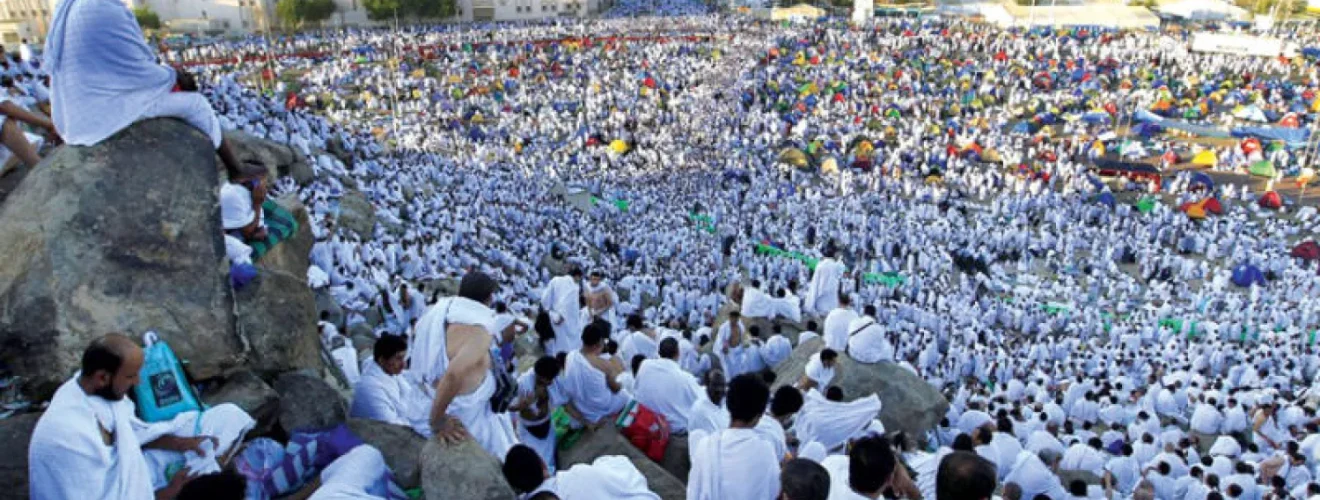
The significance of the ten days of Dhul-Hijjah and the rituals of Hajj manifests as an annual opportunity to reshape the human soul and renew its spiritual and social bonds. These are not merely days that pass with traditional acts of worship; rather, they constitute an integrated “historical and spiritual school” aimed at linking the present with the past, and achieving profound legal (Shari’ah) and humanitarian objectives where pure devotion meets the highest moral values.
This profound significance stems from the connection of these days to the epic of monotheism and sacrifice lived by the family of Prophet Abraham (Ibrahim), peace be upon him. When a Muslim practices the rituals of these days, they are, in reality, re-enacting the story of absolute submission to Almighty God. This begins with the Sa’i (pacing) between Safa and Marwa, which immortalizes the patience and strive of Lady Hagar (Hajar) in her search for life, reaches to the Ramy al-Jamarat (stoning of the pillars), which embodies the human defiance against the whispers of Satan and the resistance of human weakness, and culminates in the slaughtering of the Udhiyah (sacrifice), which symbolizes redemption, the acceptance of trials, and compliance with God’s command. This historical connection elevates worship from an abstract framework into a living emotional realm, where human beings feel they are a continuation of the journey of prophets and the righteous throughout history.
On the Shari’ah (legal) level, the ultimate objective of the ten days of Dhul-Hijjah and Hajj is the establishment of pure monotheism (Tawheed) and the revival of the remembrance of God. The Talbiyah chanted by the pilgrims, and the Takbeer that fills the horizons during these days, are an explicit declaration of absolute servitude to God alone, discarding all forms of polytheism and attachment to anyone else. These days serve as a spiritual edifice that gathers the core pillars of worship (prayer, fasting, charity, and pilgrimage) into a single timeframe. This provides the Muslim with a station for comprehensive spiritual cleansing and repentance, which reaches its zenith on the Day of Arafah—the day of forgiveness, emancipation from the Hellfire, and Divine pride in the people of the earth.
In tandem with the Shari’ah objectives, the humanitarian and social goals of Hajj and the ten days of Dhul-Hijjah stand out as the greatest demonstration of human equality and unity. In Hajj, class, racial, and linguistic differences dissolve under the unified white garment of Ihram, revealing a majestic human scene that teaches humanity that the most honorable among them in the sight of God is the most pious. Furthermore, the values of human solidarity and compassion are manifested in their finest forms during these days through the ritual of Udhiyah. It is not confined to being an offering to God, but is also a social tool to feed the poor, bring joy to the hearts of the needy, and strengthen the bonds of love and kinship among relatives and neighbors. Thus, the entire season becomes an integrated system for the reformation of the individual and the cohesion of society.